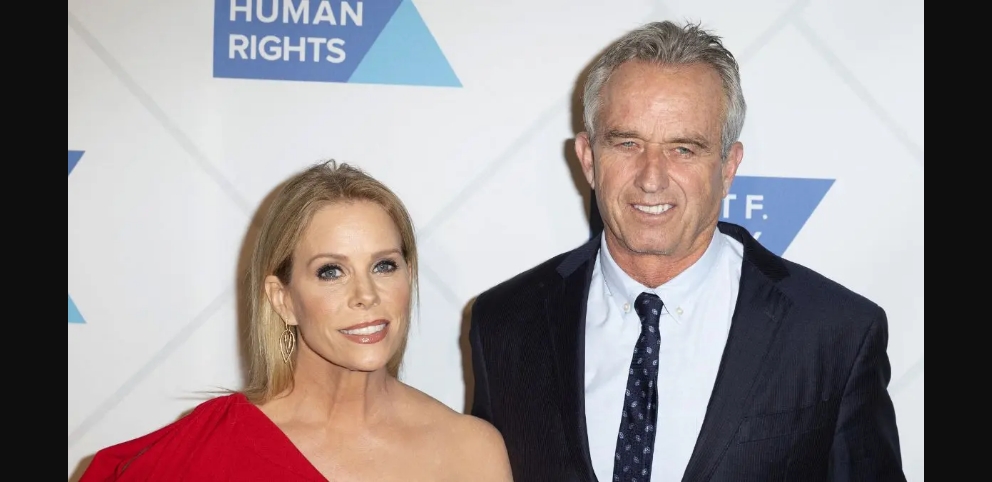
In a recent media appearance, a prominent actress offered a robust defense of her husband, a current government official whose tenure has been marked by significant controversy in the realm of public health policy.
Speaking candidly, the actress framed her spouse’s career as one dedicated to advocacy, referencing his past legal work against corporate polluters. “To suggest his intent is now to cause harm contradicts a lifetime of work on behalf of individuals,” she argued, questioning the narrative that he has shifted to an anti-public health stance.
This defense follows sustained criticism from segments of the medical and scientific community. Last fall, a group of former high-ranking public health officials publicly warned that the official’s promotion of long-debunked theories regarding vaccines poses a substantial risk to national health. Their statement specifically cited the official’s history of amplifying misinformation about several vaccines, including those for HPV and COVID-19.
The personal cost of this alliance has been steep for the actress. She has acknowledged a sense of isolation within her professional circles, suggesting that her association with the official has led to estrangements. This includes a noted cooling in her relationship with a longtime co-star and the end of a friendship with a fellow comedian, who cited the official’s evolving political endorsements and public statements as an insurmountable divide.
Despite the professional and personal repercussions, the actress has remained a steadfast public supporter, characterizing the criticism against her husband as a fundamental misreading of his character and lifelong objectives. The situation highlights the intense personal and social fractures that can emerge from deeply polarized political and health policy debates.