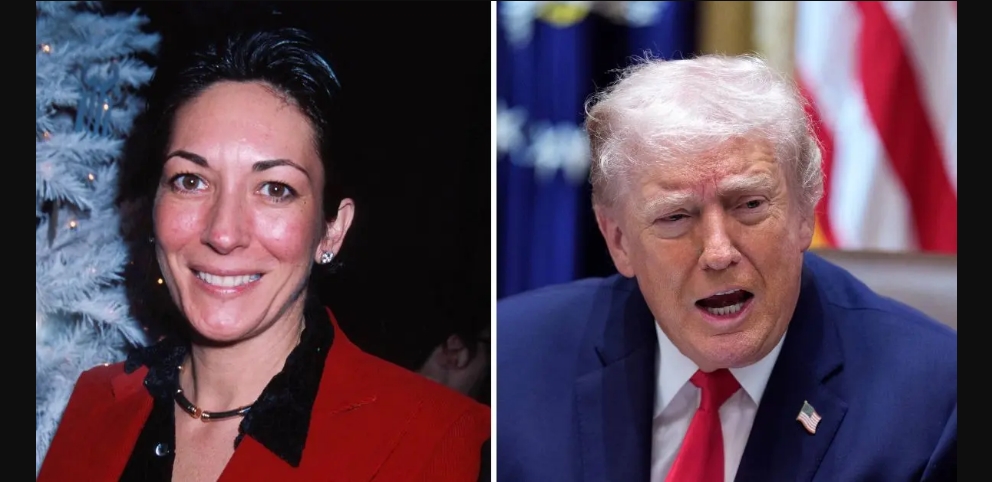
A high-profile witness remained largely silent during a congressional hearing this week, fueling allegations of a backroom arrangement to suppress testimony.
Appearing before the House Oversight Committee, the witness, currently incarcerated for her role in a convicted financier’s sex trafficking ring, declined to answer substantive questions regarding the network’s operations. While legal observers note such reticence is not uncommon, some lawmakers are interpreting it as evidence of a broader political maneuver.
One Democratic representative has publicly accused the former president of attempting to “purchase” the witness’s continued silence. The lawmaker suggested that recent administrative actions, including the witness’s transfer to a lower-security facility, could be perceived as incentives for her non-cooperation. The implication is that these acts may be precursors to a potential commutation or pardon of her lengthy prison sentence.
The former president has previously alluded to the possibility of such clemency, a point critics cite as evidence of a transactional approach to justice. The situation places the witness in a difficult position: cooperation could jeopardize any potential leniency, while silence preserves her current bargaining power.
This congressional scrutiny coincides with the ongoing release of millions of documents related to the financier’s case under a recently enacted transparency law. These records are said to name numerous prominent individuals, with the former president reportedly being the most frequently cited figure. The document trove is also reported to implicate other well-known personalities from business and political circles.
The hearing underscores the persistent political and legal battles surrounding the case, as investigators continue to pursue the full scope of the convicted financier’s international network.