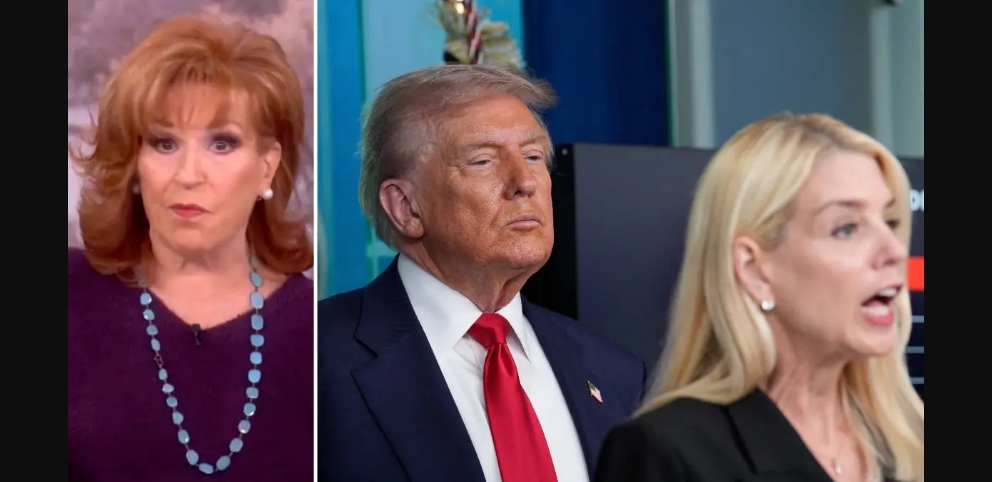
A recent congressional hearing has sparked sharp criticism and a grim prediction from a political commentator regarding the conduct and future of a prominent legal figure.
During a House Judiciary Committee session focused on the handling of sensitive investigative files, the behavior of the former state attorney general drew intense scrutiny. Observers noted a combative and dismissive tone, particularly when addressing questions about associations between certain political operatives and a convicted sex offender.
The commentator expressed profound dismay at the testimony, questioning the apparent lack of compassion shown for the victims involved. “To conclude remarks by touting stock market gains in the face of such serious allegations shows a profound disconnect,” the analyst stated, characterizing the performance as deeply unsettling.
The core of the criticism, however, extended beyond the hearing room. The analyst issued a stark warning about the nature of political loyalty, drawing a direct line to a former president known for discarding allies. “There’s a well-established pattern of throwing supporters to the wolves once they are no longer useful,” the commentator argued, suggesting the legal official is being used as a shield and will ultimately be abandoned.
A historical parallel was drawn to the Watergate era, where a president resigned but his attorney general faced prison time. The implication was clear: those who execute controversial orders often bear the legal brunt long after their patrons have departed.
The behavior during the hearing was described as mirroring a specific, confrontational political style, complete with personal insults directed at committee members. This mimicry, according to the analyst, underscores a deeper alignment and a potentially fatal misjudgment.
Another voice in the discussion lamented the transformation of the official, recalling a previously more collaborative figure in state politics. The current conduct was dismissed as a transparent “performance” for a singular audience, accusing the individual and others of sacrificing integrity for proximity to power and its attendant privileges.
The overarching sentiment from critics is one of anticipated reckoning, predicting that the pursuit of influence will culminate not in protection, but in severe personal and professional fallout.