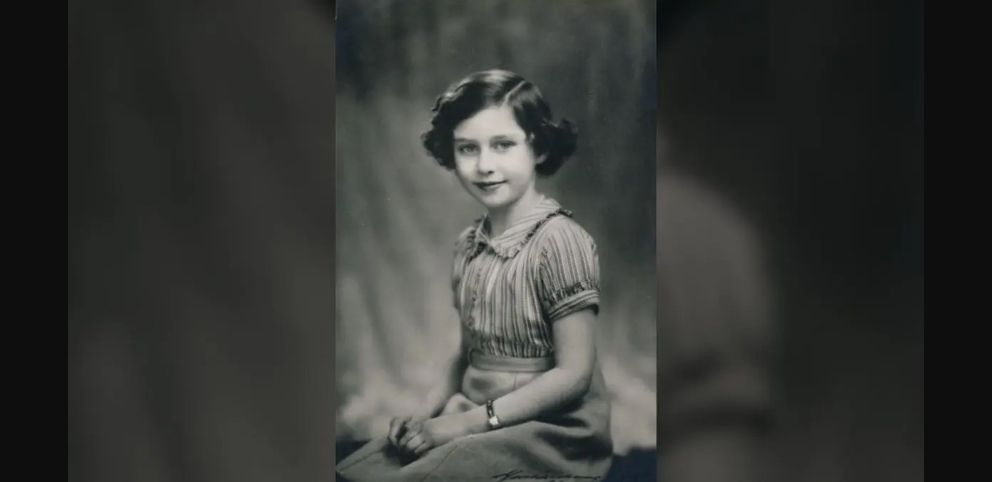
In an era defined by protocol, one royal bride chose to make her own rules. On her wedding day in 1960, Princess Margaret, sister of Queen Elizabeth II, broke with centuries of tradition by refusing to borrow a tiara from the royal collection. Instead, she wore a glittering diamond headpiece she had purchased herself—a bold statement of independence that has since become a symbol of her rebellious spirit.
The tiara, known as the Poltimore, was acquired by Margaret at auction the year before her marriage to photographer Antony Armstrong-Jones. While the act of buying her own jewels was unusual for a royal, the piece itself had historic connections to the monarchy, having been commissioned in the 19th century and later worn at the coronation of King George V. Yet by obtaining it through personal means, Margaret ensured it remained distinctly hers, free from the obligations of the Crown’s treasury.
Her choice was quietly revolutionary. At a time when royal brides were expected to wear heirlooms lent by the family, Margaret’s decision set a precedent that would later be echoed by other modern royals. She further personalized the piece by wearing it as a necklace before the wedding, showcasing its versatility and her own inventive style.
The tiara became an integral part of Margaret’s public image, often associated with her glamour and nonconformity. In one famous photograph taken by her husband, she wore it while seated in a bathtub—an intimate and playful portrait that contrasted sharply with formal royal portraiture. The image, though temporarily withdrawn from public view, remains a testament to her desire to live on her own terms.
Crafted in the Victorian era, the Poltimore Tiara was an elaborate piece of jewelry, designed to be dismantled into a necklace and several brooches. Margaret was known to utilize this feature, adapting the tiara for different occasions. After her passing, the tiara was inherited by her children and later sold at auction in 2006, fetching a sum equivalent to over a million dollars today.
Now in the hands of a private collector, the tiara’s whereabouts are unknown, and it may never be displayed publicly again. Unlike state jewels preserved for posterity, this symbol of one princess’s defiance has vanished from view—a fittingly elusive end for a treasure that always stood apart.