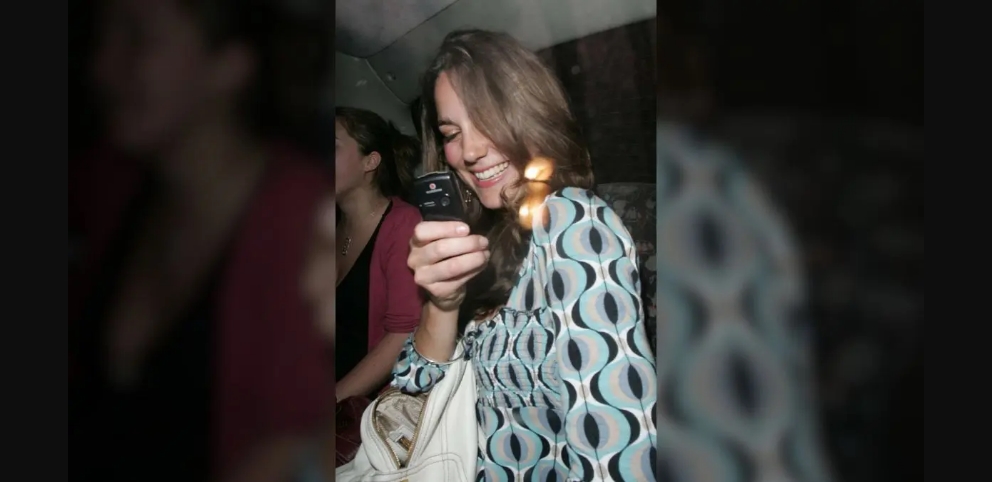
Even those accustomed to the most structured of lives are not immune to the minor domestic frustrations familiar to many. Within the walls of a royal residence, a surprisingly ordinary scenario regularly unfolds, centered on a single, frequently misplaced object: a mobile phone.
According to those familiar with the private rhythms of the household, a senior royal has a well-known habit of setting down her device only to spend considerable time later searching for it. This recurring event, described as a source of light-hearted exasperation for both family and staff, highlights a common modern dilemma, even in a setting of considerable privilege.
The challenge is said to have been amplified following a recent move to a larger family home. With significantly more rooms and space, opportunities for a phone to vanish into a sofa cushion or be left on a shelf have multiplied. Insiders note the individual will often place the phone in an unexpected spot and then embark on a lengthy hunt, despite maintaining she uses it infrequently.
This pattern speaks to a deliberate and publicly stated philosophy regarding technology and personal presence. Friends suggest the very act of misplacing the phone stems from a conscious effort to be engaged with the people and activities immediately at hand, rather than being tethered to a screen. The device is not a constant companion, and thus its location is not a constant priority.
This personal approach aligns with broader family principles. In a recent public discussion on parenting, the children’s father confirmed a strict household policy: none of their three young children currently possess personal phones. The family actively promotes outdoor play, reading, and direct conversation over screen time.
There is a recognized irony in the situation—the person who advocates for mindful technology use is the one most often separated from her own device. However, observers close to the family suggest this very habit reinforces the underlying message. The frequent misplacement underscores the device’s secondary status; it is not considered essential to daily family life, even if its absence occasionally causes a minor, relatable scramble to find it. The priority remains human connection, with all its imperfect, sometimes chaotic, charm.