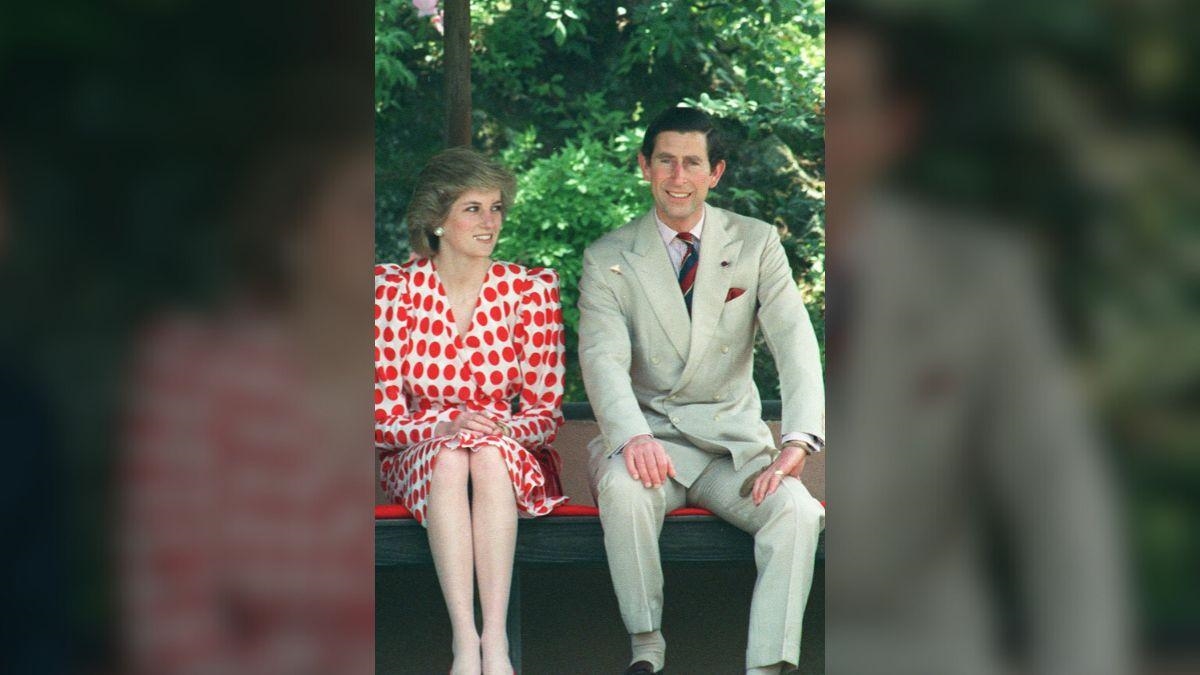
The profound personal differences between a future king and his young bride were a central, and ultimately fatal, flaw in one of history’s most scrutinized unions. At the heart of the marital breakdown was a fundamental and irreconcilable mismatch in emotional temperament.
The groom, a man in his thirties accustomed to a life of structured duty and private reflection, found himself wed to a bride barely out of her teens, whose world was governed by intense and immediate feelings. Insiders from that era describe a partnership strained by this core disconnect. The young princess possessed a mercurial nature; she could be brilliantly engaging and warm one moment, and withdrawn or distressed the next. This emotional volatility, a stark contrast to her husband’s more reserved and measured disposition, created a persistent state of tension. The prince, reportedly bewildered and exhausted by these rapid shifts, found the dynamic increasingly difficult to manage.
Compounding this temperamental divide was a significant gap in age and life experience. He was a seasoned public figure set in his ways, while she was abruptly transformed from a private individual into a global icon, unprepared for the stifling protocols and intense isolation of royal life. This chasm made mutual understanding elusive, with each perceiving the world—and their relationship—through entirely different lenses.
Further complicating the foundation of the marriage was an unresolved attachment. The prince entered the union while maintaining a deep emotional bond with another, a woman who would later become his queen. The princess, initially besotted and believing in a fairy tale, gradually came to recognize that she occupied a different, and lesser, space in her husband’s heart. She later acknowledged that their partnership was less a love match and more an arrangement shaped by external pressures and dynastic expectation.
The marriage formally ended after just over a decade. In the aftermath, reflections from both sides conceded the relationship had been flawed from the beginning, built on a foundation that could not support the weight of duty, public spectacle, and profound personal incompatibility. The experience left an indelible mark, serving as a painful lesson on the perils of prioritizing obligation over authentic emotional partnership.