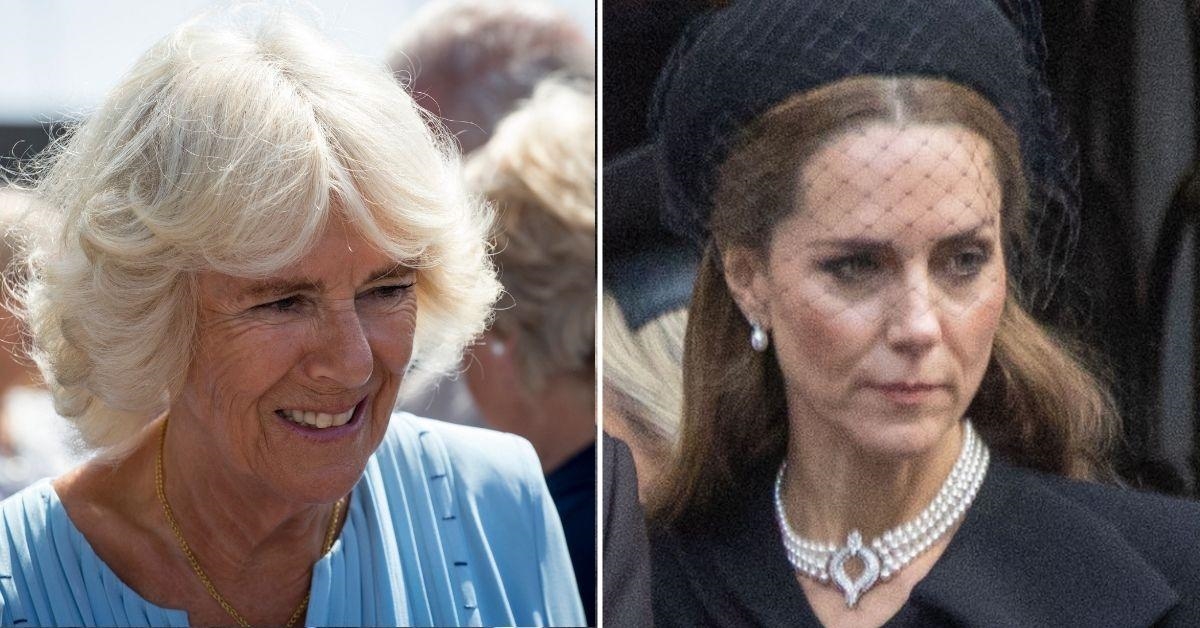
A reported divergence in culinary preferences between the Princess of Wales and the Queen Consort is being interpreted by observers as a symbol of deeper, generational currents shaping the monarchy’s future.
The Queen Consort, known for her traditional British tastes, recently outlined a preference for simple, classic dishes while noting a specific aversion to ingredients like chili, garlic, and peppers. These personal remarks have drawn sharp contrast to the well-established profile of the Princess of Wales, who has frequently expressed her enjoyment of robustly spiced cuisine, particularly Indian curries, and has spoken of adapting heat levels for her family at home.
Insiders suggest this apparent clash in palates is more than a matter of menu selection. It is seen by some as a reflection of differing philosophies and a subtle contest for influence within the institution. Sources indicate a perception that the younger, increasingly prominent Wales household, embodying a more modern and globally engaged approach, is gradually reshaping the monarchy’s direction. This shift is said to cause unease in some quarters, with concerns about authority and relevance being quietly debated behind palace walls.
Analysts note that such personal details often become focal points for broader narratives about institutional evolution. The choice between traditional comfort and adventurous flavor is being framed as a metaphor for the monarchy’s path forward. While no direct conflict has been acknowledged by the individuals involved, the persistent discussion underscores the ongoing transition as the royal family balances its historic foundations with contemporary expectations.
The essence of the reported tension, according to commentators, centers not on food itself, but on questions of influence, legacy, and the vision for a centuries-old institution navigating its place in a modern world.