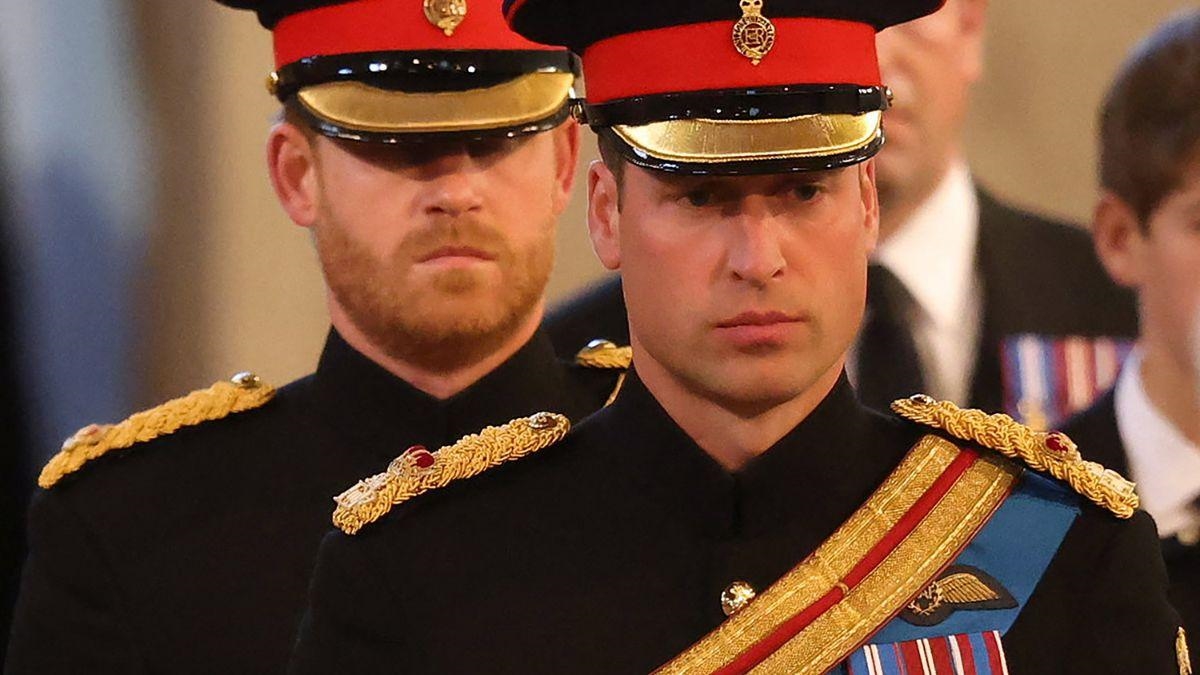
The enduring estrangement between the heir to the throne and his younger brother is evolving from a private family matter into a potential challenge for the monarchy’s future, according to insiders. With the institution navigating a period of significant transition and public scrutiny, the pressure is mounting on the senior royal to consider a path toward reconciliation, not merely for personal peace but as a demonstration of statesmanship.
The division, which became public several years ago following the younger royal’s departure from official duties and subsequent candid disclosures about life within the family, has persisted through a period of profound personal challenge for the monarchy, including serious health battles within its senior ranks. This context has, until now, reinforced a stance of focused stability over emotional revisitation of past conflicts.
However, a growing school of thought among advisers suggests that an indefinite stalemate carries its own dangers. They argue that the future king’s authority will be judged not only by his dedication and discipline but by his perceived capacity for grace and resolution. The ability to publicly navigate and absorb familial discord, without being consumed by it, is increasingly viewed as a test of modern leadership essential to the crown’s relevance.
Public sentiment toward the monarchy has been shifting for decades, with younger generations in particular showing less attachment to the institution. A permanent, visible fracture within the royal family risks reinforcing a narrative of an inflexible establishment, unable to adapt or heal its own wounds. In contrast, a gesture of outreach, however limited, could be interpreted as a sign of confidence and control, signaling that personal disagreements do not undermine the stability of the throne.
While the younger royal has indicated in recent comments a personal openness to mending ties, the ball appears to be in the court of his elder sibling. The argument being presented to him is that such a step would not require an endorsement of past grievances or a rewriting of history. Instead, it would stand as a strategic demonstration of assurance—a move made from a position of strength, not concession.
As the monarchy continues its transition into a new era, the question facing its future head is whether the demands of public duty can ultimately transcend the weight of private grievance. The decision will send a powerful signal about the character of his coming reign.