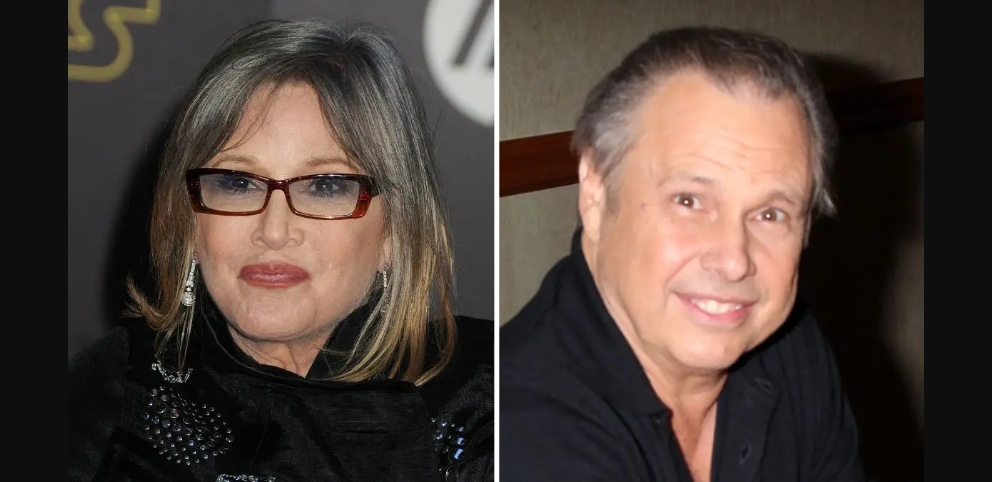
A decade after her passing, renewed attention is being given to the circumstances surrounding the death of actress and writer Carrie Fisher. The star, best known for her iconic role as Princess Leia in the Star Wars saga, died in December 2016, days after suffering a medical emergency on a flight.
The official findings, released by the Los Angeles County medical examiner, listed the cause as sleep apnea with other contributing factors, including heart disease. The report also noted the presence of multiple substances in her system, from prescription medications to recreational drugs, though investigators stated their precise role could not be definitively determined.
At the time, the release of these details prompted a pointed response from Fisher’s brother, Todd Fisher. He expressed concern that a focus on substance use oversimplified the complex realities of her health. He emphasized her long-term management of bipolar disorder with prescribed medication and argued that her death should not be sensationalized.
“If you want to know what killed her, it’s all of it,” he was quoted as saying, suggesting that isolating any single factor ignored the full picture of her life and struggles. He also noted that the medications she relied upon were part of her treatment for a serious mental health condition.
Fisher’s candor about her life challenges was a hallmark of her public persona. An acclaimed author and script doctor, she openly discussed her experiences with bipolar disorder and addiction, using wit and honesty to confront stigma. Her memoir, Wishful Drinking, blended sharp humor with personal pain, reflecting her unique approach to her own narrative.
Her death was met with profound grief from fans and family. A statement issued on behalf of her daughter, Billie Lourd, confirmed the loss, noting Fisher was “loved by the world.”
The actress once shared a characteristically dark and humorous wish for how her death might be described, hoping to be remembered as having “drowned in moonlight, strangled by my own bra.” The line endures as a testament to the singular wit with which she faced fame, illness, and mortality.
A decade on, the conversation continues to balance the medical details of her passing with a celebration of her enduring legacy as a cultural icon who reshaped ideas of strength, creativity, and resilience.