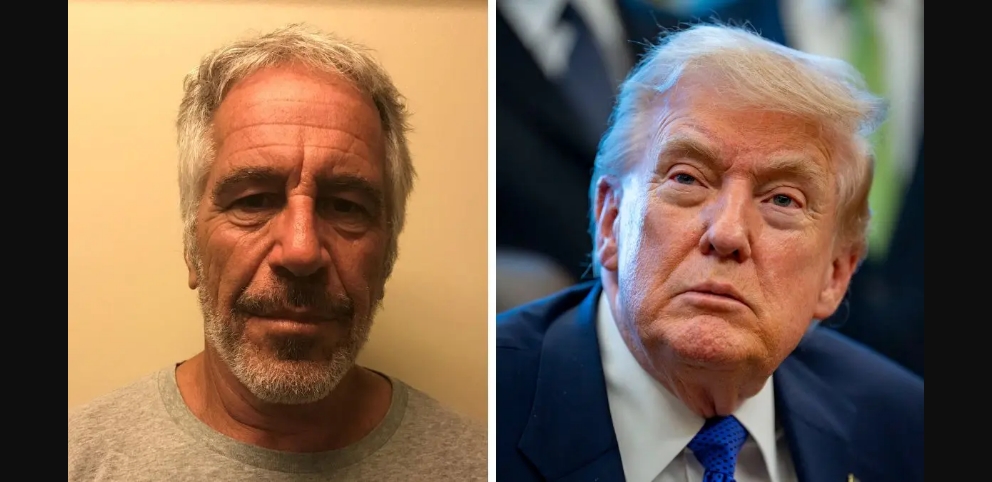
A trove of recently unsealed correspondence has brought to light private conversations regarding the cognitive state of a former U.S. president. According to documents made public by federal authorities, a controversial financier, now deceased, alleged in a 2017 email that associates of the former commander-in-chief expressed worries about his mental sharpness.
The email, sent to a journalist and author, claimed that following a social dinner, several attendees voiced concerns, specifically noting the individual’s heavy use of makeup and an apparent failure to recognize longtime acquaintances. The message was sent during the subject’s first term in office.
While the origin of these claims carries significant baggage and the assertions lack any corroborating medical diagnosis, they have entered the public discourse surrounding the aging political figure’s fitness. This discourse has been amplified by commentary from within his own family.
A family member, who is a trained psychologist, has publicly drawn parallels between the former president’s recent behavior and that of his grandfather, who was known to have suffered from dementia in his later years. This relative has pointed to perceived confusion, disorientation, and a decline in short-term memory as causes for professional concern. These observations have found support from another family member, who has stated that cognitive decline is a documented reality within their family history.
The individual at the center of these discussions has consistently and forcefully rejected any suggestion of cognitive impairment. In recent public remarks, he has declared himself to be in excellent physical and mental health, claiming to feel as he did decades prior.
The release of these documents ensures that questions about leadership, age, and mental acuity will remain a prominent feature of the political landscape as the figure continues to be a dominant force in national politics.